Optimizing Your Salon Workspace for Ergonomic Longevity
By Nail Tech Success Team
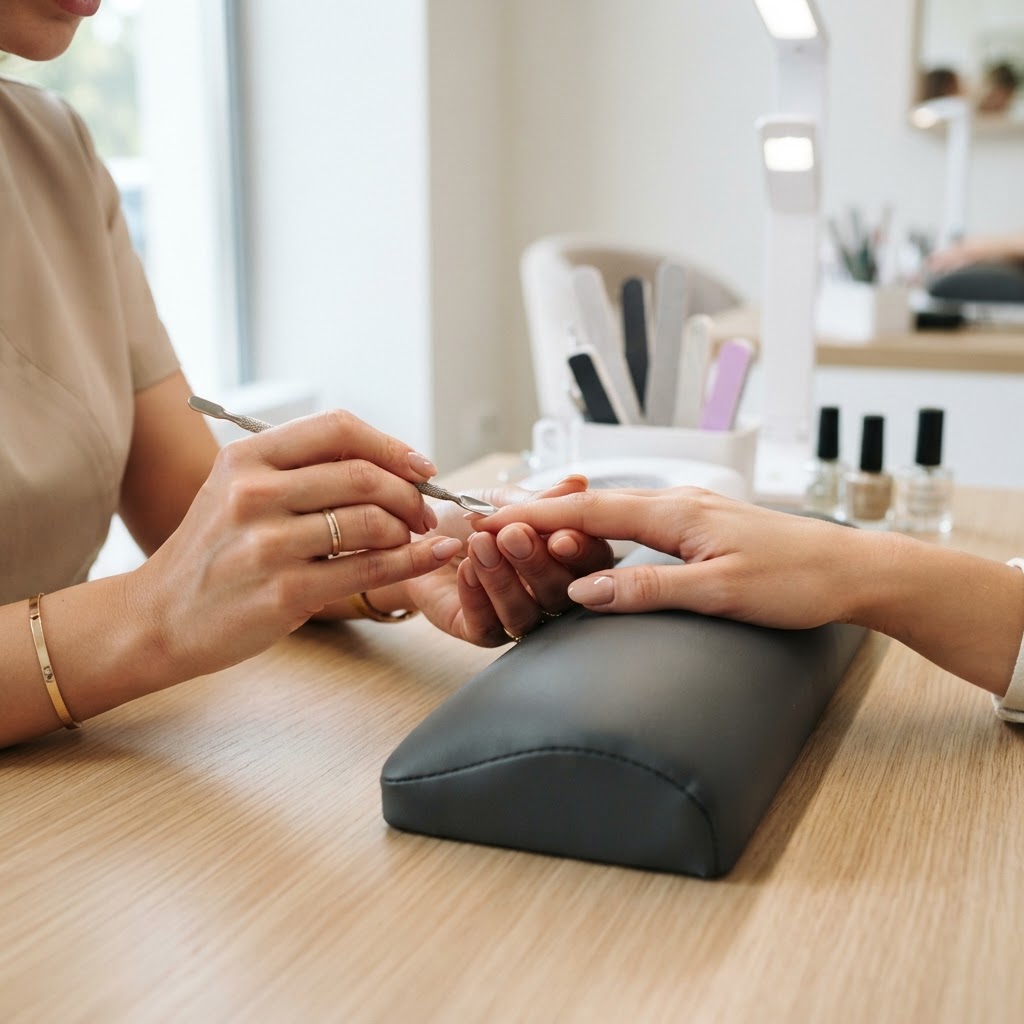
Professional nail care is physically demanding work. Between the repetitive motions of filing, the prolonged static posture of a seated technician, and the constant focus required for intricate nail art, your body is your most valuable asset. Yet, many talented professionals view physical discomfort as an inevitable part of the job. It is time to shift that perspective. Investing in your workspace isn't just about aesthetics; it is about building a career that you can sustain for decades rather than years. ## The Hidden Costs of Poor Ergonomics As a business owner, your overhead includes more than just rent and product costs. It includes your physical health. Repetitive Strain Injuries (RSIs), chronic lower back pain, and shoulder impingement are common career-enders in the beauty industry. When you work in a non-optimized environment, you aren't just sacrificing comfort; you are risking the sustainability of your income. When you cannot work, you cannot earn. Therefore, ergonomic optimization is a core component of your business strategy. ## Essential Workspace Adjustments ### 1. Elevate Your Perspective The most common mistake nail technicians make is hunching over their clients. This "tech neck" posture places immense pressure on your cervical spine. To combat this: - Invest in an adjustable-height desk that allows you to sit with your spine neutral. - Position your client's hands closer to your eye level by using a specialized, height-adjustable hand rest. - Ensure your light source is bright and directional, preventing the need to lean forward to see your work. ### 2. The Foundation: Your Seating Your chair is the command center of your business. If it doesn't provide adequate lumbar support, you are losing. Look for a saddle stool or an ergonomic chair with: - Adjustable seat height to keep your knees at or slightly below hip level. - A backrest that encourages an upright posture rather than a slouched position. - High-quality, smooth-rolling wheels to prevent straining your lower back when reaching for implements. ### 3. Organizing for Efficiency Reaching across your desk to grab files, brushes, or monomer jars creates micro-strains throughout the day. Apply the "Rule of Proximity" to your station: - Frequently used items should be within arm's reach without needing to twist your torso. - Use a rolling trolley for items you don't use every minute, but need access to within a service. - Store heavy items at waist height to prevent unnecessary bending or lifting strain. ## Implementing 'Micro-Breaks' During Services Even with a perfect setup, static posture is the enemy. Your body was designed to move. Incorporate micro-breaks into your service flow: - The 30-Second Reset: Every time you switch from one hand to the other, take 30 seconds to drop your shoulders, rotate your neck, and stretch your fingers. - Standing Moments: If your desk height allows, stand up while your client is curing their nails in the LED lamp. This simple change in position redistributes weight and helps alleviate pressure on your spinal discs. - Breath Awareness: Many technicians hold their breath while concentrating on fine lines. Practice rhythmic breathing to keep your muscles oxygenated and relaxed. ## Long-term Maintenance Strategy Beyond the desk, your business must account for physical recovery. Consider these three pillars of professional longevity: 1. Strength Training: Building core and back strength is non-negotiable. Targeted exercises will support your posture even when your chair isn't perfect. 2. Professional Assessment: If you are experiencing persistent pain, do not wait for it to become an injury. Consult with a physical therapist who understands the repetitive nature of beauty work. 3. The 'End of Day' Ritual: Don't finish a client and immediately jump on your phone. Spend five minutes at the end of your shift doing gentle stretches for your wrists, shoulders, and hips. Think of this as your "closing procedures" for your body. Your business growth depends on your ability to perform. By prioritizing your physical well-being through ergonomic design and mindful movement, you are effectively protecting your most important business asset: yourself.